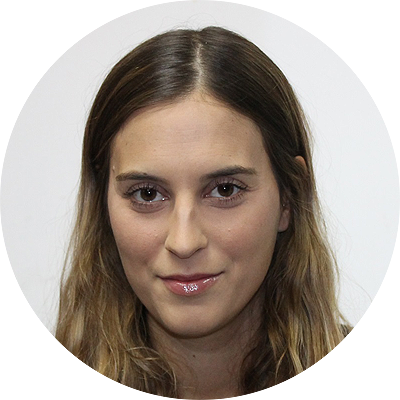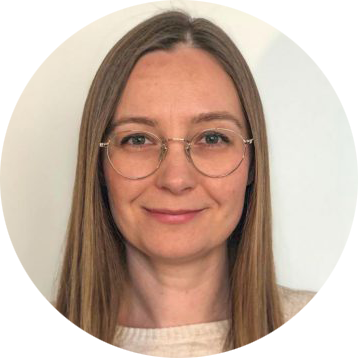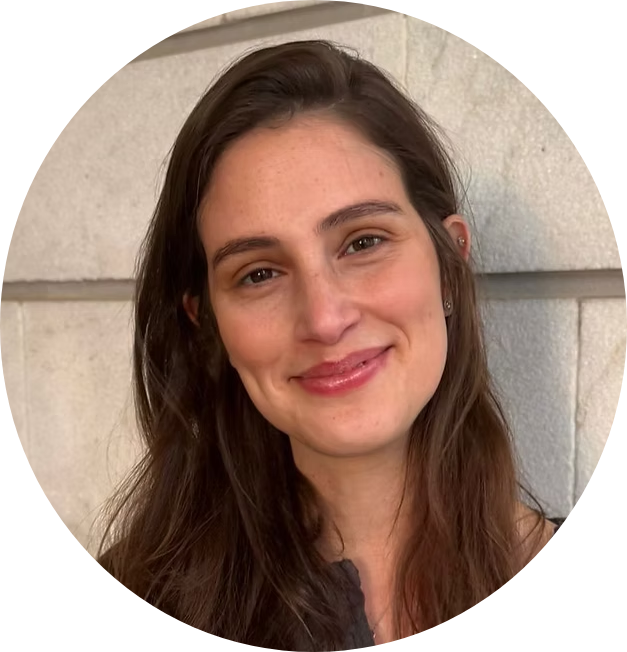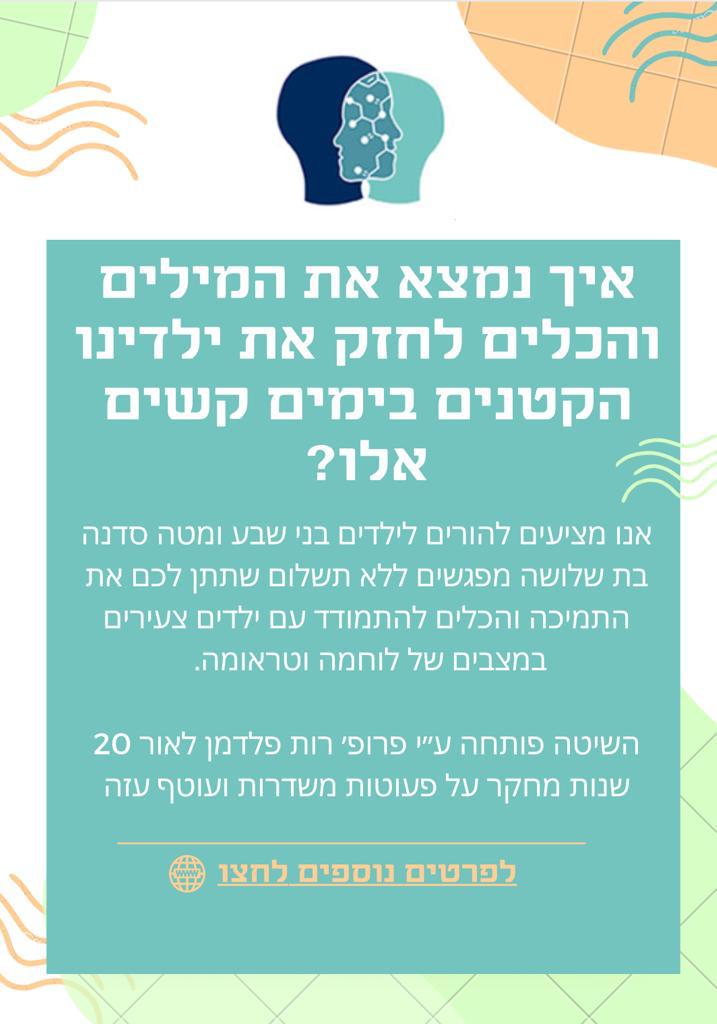
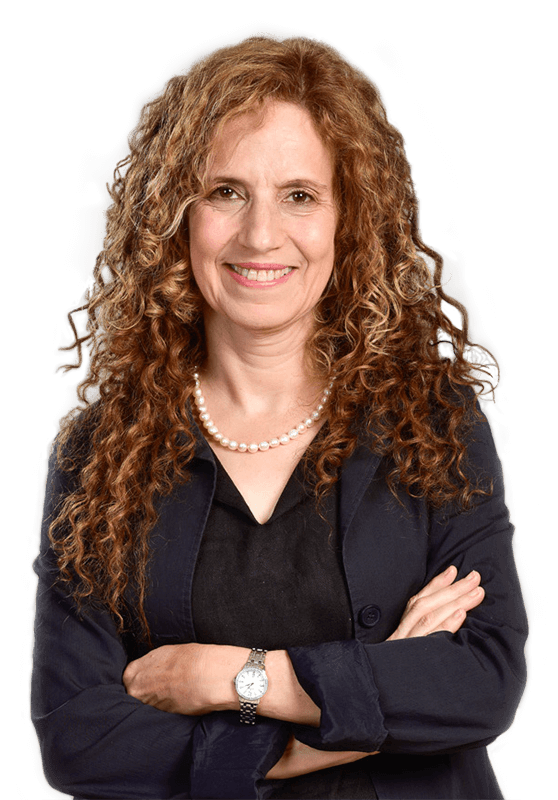



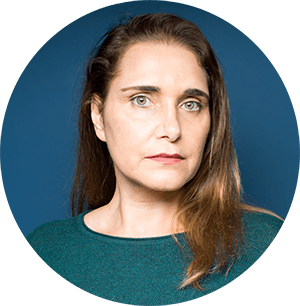
Ruth Feldman, PhD is the Simms-Mann Professor of Developmental Social Neuroscience at the Interdisciplinary Center (IDC) Herzlia with joint appointment at Yale Child Study Center.

With degrees in music composition (summa cum-laude), neuroscience (with honors), clinical psychology (with honors), and developmental psychology and psychopathology, her approach integrates perspectives from neuroscience, human development, philosophy, clinical practice, and the arts within an interpersonal frame and a behavior-based approach.  Her conceptual model on biobehavioral synchrony systematically describes how a lived experience within close relationships builds brain, creates relationships, confers resilience, and promotes creativity.  Her studies were the first to detail the role of oxytocin in the formation of human social bonds.

Her research is translational and informs the development of various interventions applied internationally.  Her observational tools are used in 17 countries, translated to multiple languages, and utilized in research on all facets of human social relationships in health and psychopathology.  She is a consultant on multiple international grants and a frequent keynote speaker in international conferences. Her studies often follow children from infancy to adulthood, address topics that are highly relevant to the general public, and receive substantial media attention.

Dr. Feldman is a fellow of the Association for Psychological Science and received multiple awards, including a young musician award, Rothschild award, NARSAD independent investigator award (twice), the Zeskind award for best paper in Biological Psychiatry, and the Graven’s Award for research on high-risk infants.

Highly Cited Researcher – 2018 – Web of Science. Among top 0.01% of scientists based on impact (PLOS Biology).

Expertscape World Expert in Parent-Child Relations, expertscape World Expert in Psychoanalytic Theory.

Dr. Feldman is the recipient of 2020 EMET prize, Israel’s highest prize in arts and sciences.


Ruth Feldman

Ruth Feldman

Center Director

SRIP Lecturer Award 2022

World expert in parenting research 2019

Lab Staff

Orna Zagoory-Sharon

Orna Zagoory-Sharon

Principal RESEARCH ASSOCIATe
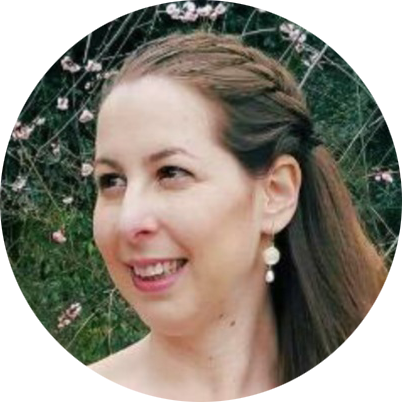
Orna is a Biochemist, holding a PhD in chemistry from Ben-Gurion University in the field of Biophysics. She is an expert in measuring hormones, mainly Oxytocin, taken from body fluids (blood, urine, salvia and more). Orna was a Post-doc at the Weizmann institute in neurobiology. During her research activities, she also worked in clinical laboratories. In 2011 she received her “Senior Medical Laboratory Worker Recognition” in Endocrinology, and in 2014 she received her “Medical Laboratory Management Permit” from the Israeli Ministry of Health.

Linoy Schwartz

Postdoctoral Researcher
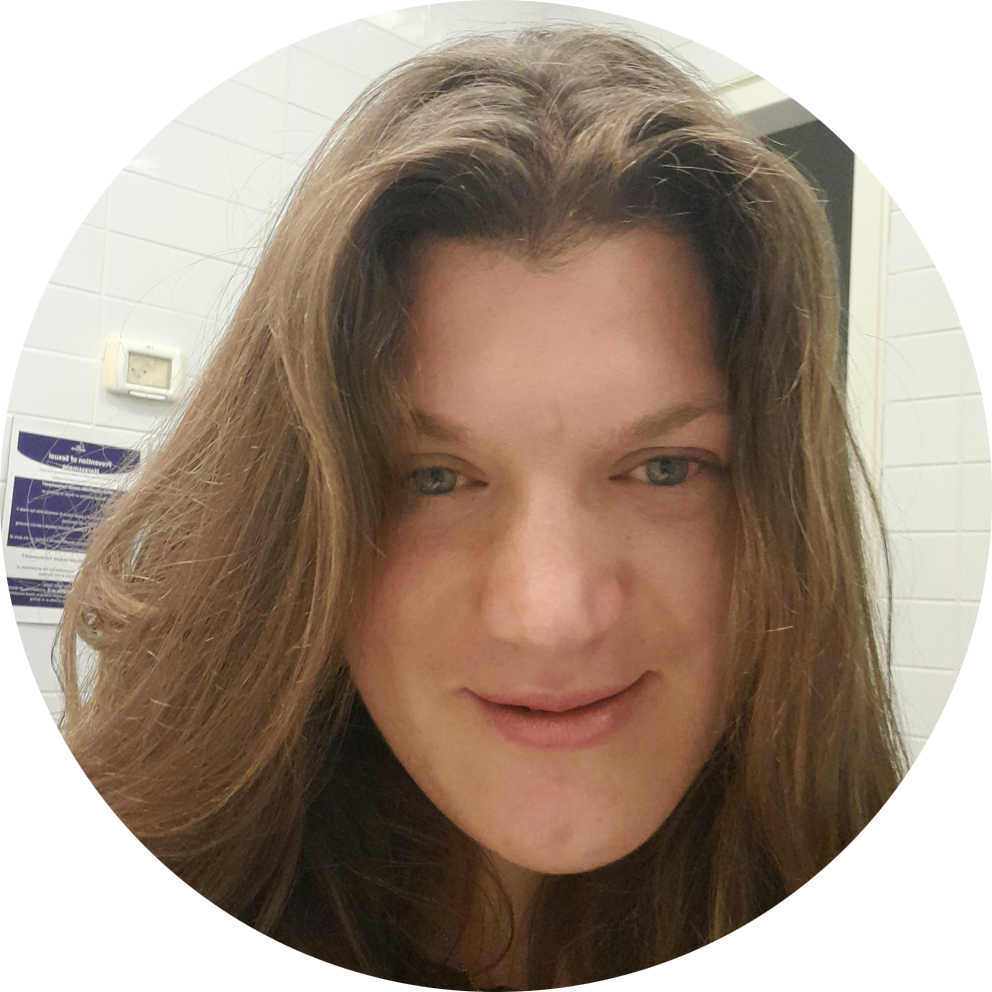
Linoy studies Brain to Brain synchrony using hyperscanning EEG on parents and children. Currently studying the effect of technology on brain synchronization, as well as the effects of anxiety in children on bio-behavioral synchrony and interbrain connectivity.

Yaara Endevelt-Shapira

RESEARCH ASSOCIATe
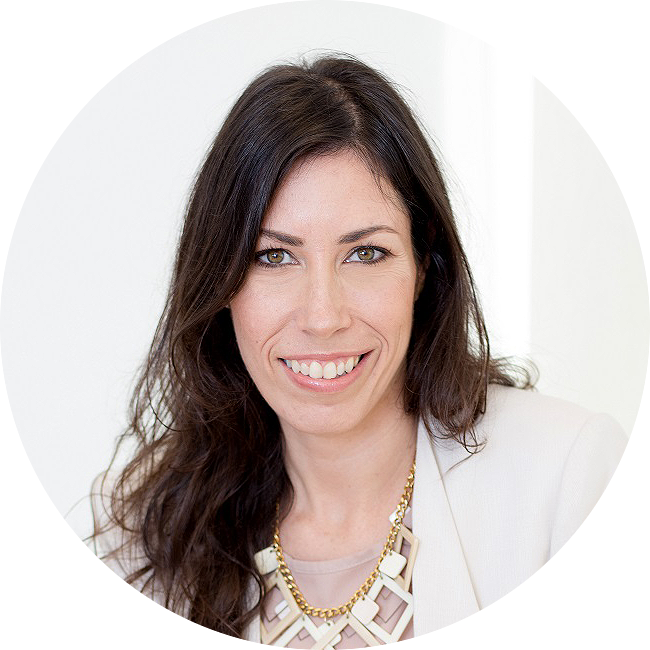
Yaara is responsible for the infant-adult brain-to-brain hyperscanning dual-eeg studies, including both father-infant and mother-infant dyads. Specifically interested in the role of social chemosignling during early development. 

Moran Influs

Postdoctoral Researcher

Moran is a clinical psychologist. As part of her research, she is conducting therapeutic interventions to women suffering from postpartum depression, and assesses aspects of depression, mother-infant relationship, infants’ development, and hormonal markers.

Shiran Lifshin

Doctoral Student

Shiran is a clinical psychologist. Her research is focused on understanding the continuance relationship between postpartum depression and mother-infant synchrony. As part of her current research, Shiran recruits, assesses and conducts therapeutic interventions to women suffering from postpartum depression.

Olga Hayut-Nevenchannaya

Doctoral Student
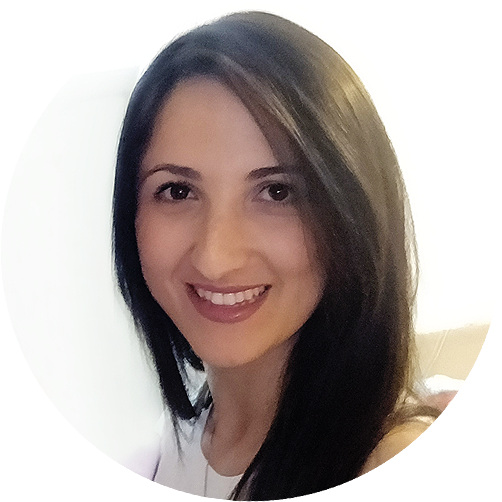
Milana Gorelik

Lab Administrator & Micro-coding expert
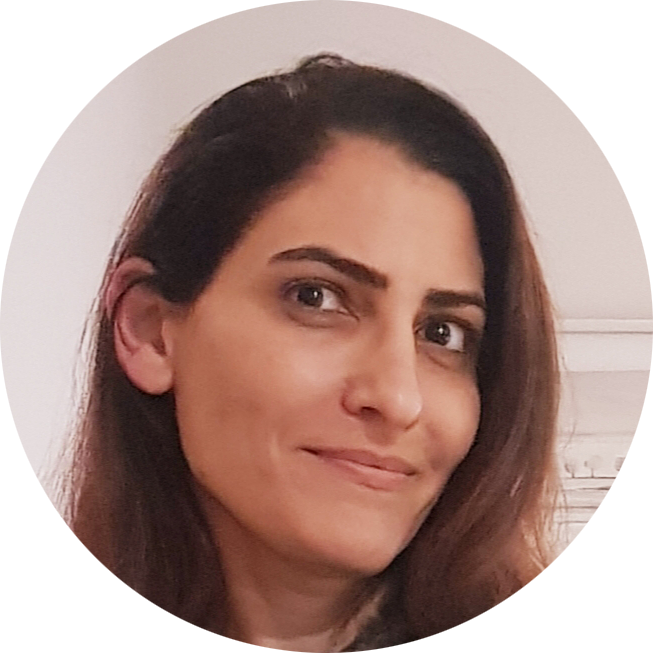
Milana is responsible for administering all aspects of laboratory environment. She is also a behavioral micro-coding expert and consultant, responsible for micro-coding training and designing new coding schemes.

Tehila Singer

Director of social coding and CIB
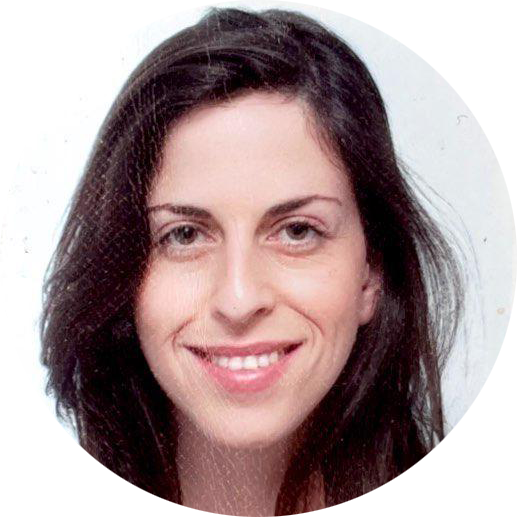
Dr. Singer has a graduate in psychology and PhD in Neuroscience. She is an expert on behavioral observation and macro and micro-coding of social behavior. Dr. Singer has been part of our lab since 2001. She is responsible for the international CIB training and participates in the development of new CIB applications.

Michal Dvir Riesenfeld

Clinical Psychologist

Michal is a clinical psychologist with expertise in early childhood. She is the GrowResilience program administrator and workshop facilitator.

Adi Shoffer

Doctoral student and Clinical Psychologist

Adi is a clinical psychologist and a GrowResilience workshop facilitator.

Noa Lavi

Clinical Psychology Resident
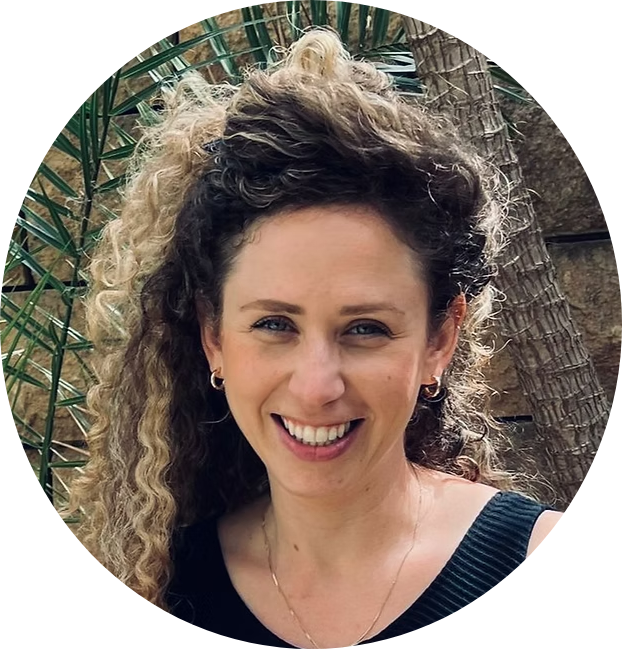
Noa is a clinical psychologist and a GrowResilience workshop facilitator.

Shiri Bar

Clinical Psychologist

Shiri is a clinical psychologist and a GrowResilience workshop facilitator.

Koral Shiri

Clinical Psychology Resident
Koral is a clinical psychologist and a GrowResilience workshop facilitator.

Tamar Karni Sharon

Clinical Psychologist

Tamar is a clinical psychologist and a GrowResilience workshop facilitator.

Maayan Valfer

Research Assistant & Scheduling Coordinator

Gal Dura

Research Assistant, Data & Partnerships Coordinator

Yoav Shapira

Research Assistant & Programmer

Zeev Antman

Research Assistant & Programmer

Past PhD Students ​

Hagar Harel

Psychology

mothering, emotion regulation, and information processing in premature infants

Roni Nadam

Psychology

Emotion regulation in preschoolers

Adi Granat

Psychology

Maternal depression and infant physiological stress and emotion regulation across the first year

Hadar Arditi

Brain sciences

Contact effects on newborns’ physiological stress response and information processing

Ronit Geler

Brain sciences

perschoolers’ mental representation of their mothers and fathers

Maayan Prat

PSYCHOLOGY

Maternal postpartum depression and the neural basis of empathy in preadolescence

Ari Levin

Brain sciences

Oxyocin and the development of mothering from early pregnancy to the postpartum

Dalia Zilberstein

Brain sciences

Neonatal brainstem dysfunction and feeding disorders in premature infants

Ilanit Gordon

Psychology

Oxytocin and the development of parenting

Merav Burg

Psychology

Genetic disorders in children (williams’ syndrome, VCF), social behavior, and social cognition

Giora Galili

Brain sciences

Neonatal brainstem dysfunction and physiological and emotional regulation in premature infants across the first months

Zehava Rosental

Psychology

The effects of kangaroo care intervention to premature neonates at ten years

Naomi Freziger

Brain sciences

Behavioral assessment for children with CP

Lea Korzman

Brain sciences

Neonatal brainstem dysfunction and the development of attention and symbolic competencies in premature infants

Esther Bemberger

Psychology

Reciprocity with mother and father in early adolescence 

Adva Vengrober

Psychology

Behavioral and mental consequence of exposure to war-related trauma in early childhood

Vered Aylon

Psychology

Physiological and behavioral synchrony with mother and father at the transition to parenthood

Michal Feldman

Psychology

Empathy and social adaptation in preschoolers exposed to maternal depression

Shir Atzil

Psychology

The maternal brain

Inna Schneiderman

Brain sciences

Hormones, autonomic response, and social interactive behavior during the first stages of romantic love

Omri Weisman

Psychology

Oxytocin and human fatherhood

Yael Apter

Psychology

Effects of maternal postpartum depression on children’s psychopathology, cortisol, and oxytocin at six years

Karen Rubio

Psychology

Effects of maternal postpartum depression on stress reactivity and executive functions at ten years

Yael Hirschler

Psychology

Mothering, fathering and the development of emotion regulation in preschoolers with high-functioning ASD

Sharon
Ostfeld-Etzion

Psychology

Self and co-regulation in preschoolers with ASD

Moran Eidelman

Brain sciences

Oxytocin impact on trauma exposed veterans

Adam Vakart

Psychology

Fathering in the context of chronic maternal depression

Avital Priel

Psychology

Effects of maternal postpartum depression on child well-being, oxytocin, and synchrony at ten years

Adi Ulmer Yaniv

Brain Sciences

Understanding the neural, behavioral, and hormonal mechanisms that underlie social behavior, across development.

Ortal Shimon-Raz

Psychology

The neural, physiological, and behavioral mechanisms underlying human attachment bonds, particularly the mother-infant relationship.